Which Sikh heritage gurdwaras in Pakistan should you prioritise?
Decide which sikh heritage gurdwaras in pakistan to include on your Yatra: a concise checklist with site profiles, time-based mixes, operator vetting and.


If you are planning a Pakistan Yatra and need a fast way to decide which sikh heritage gurdwaras in pakistan to include, this checklist helps you narrow priorities. It pairs five quick decision filters with short site profiles, sample mixes for common Yatra lengths, operator vetting questions, logistics checks, and senior- and family-ready planning tips. Use it to compare itineraries and request clear, written answers before you book.
At a glance checklist: five quick filters to pick sites
Run each gurdwara through these filters and mark it: Must-see, Nice to include if time allows, or Skip this trip.
- Historical importance: Is the site directly linked to a Guru, a martyr event, or foundational Sikh history?
- Uniqueness: Does the site offer a unique reason to visit, such as birthplace, a martyr memorial, or distinctive architecture?
- Travel time and access: How many hours or road kilometres are required? Long drives can consume half a day.
- Ceremonial timing: Do you need to align your visit with a specific prayer, langar or special darbar schedule?
- Traveller needs: Consider mobility, family requirements, and how many hours of walking or standing are realistic for your group.
Quick prompt checklist
- Must-see: Core spiritual or historical link to a Guru or founding event.
- Nice to include: Important heritage but adds travel time or an extra night.
- Skip this trip: Low priority for your group or currently logistically difficult.
Priority site mini-profiles
Three site types typically top pilgrim lists. Below are concise profiles to help you decide whether each site is Must-see, Nice to include, or Skip this trip.
Sri Nankana Sahib
- Why it matters: The birthplace of Guru Nanak, a central pilgrimage destination for Sikhs worldwide.
- What pilgrims do: Participate in darshan, offer prayers, join langar and visit memorials within the complex.
- Practical tip: Allow several hours to move through the complex respectfully and to attend scheduled services; check your operator's time allocation.
Kartarpur Sahib
- Why it matters: Associated with Guru Nanak’s later life and community formation, and often included on heritage-focused Yatras.
- What pilgrims do: Attend darbar, view the shrine and nearby historic features, and take part in communal services.
- Practical tip: Confirm crossing and transit procedures with your operator, since border formalities can extend travel time.
Lahore-district shrines and grouped historic sites
- Why they matter: A cluster of historic gurdwaras, samadhs and memorials in and around Lahore are central to Sikh heritage. Reporting and guidebooks document their concentration and preservation efforts; see a DAWN guidebook article and community reporting on heritage DAWN and SikhNet.
- What pilgrims do: Combine several nearby sites in one or two days with a local guide to explain layered histories and memorial contexts.
- Practical tip: Group multiple nearby sites into a single day to reduce hotel changes and lengthy transfers.
Pick by time available: recommended mixes for 5, 7, 9 and 13 day Yatras
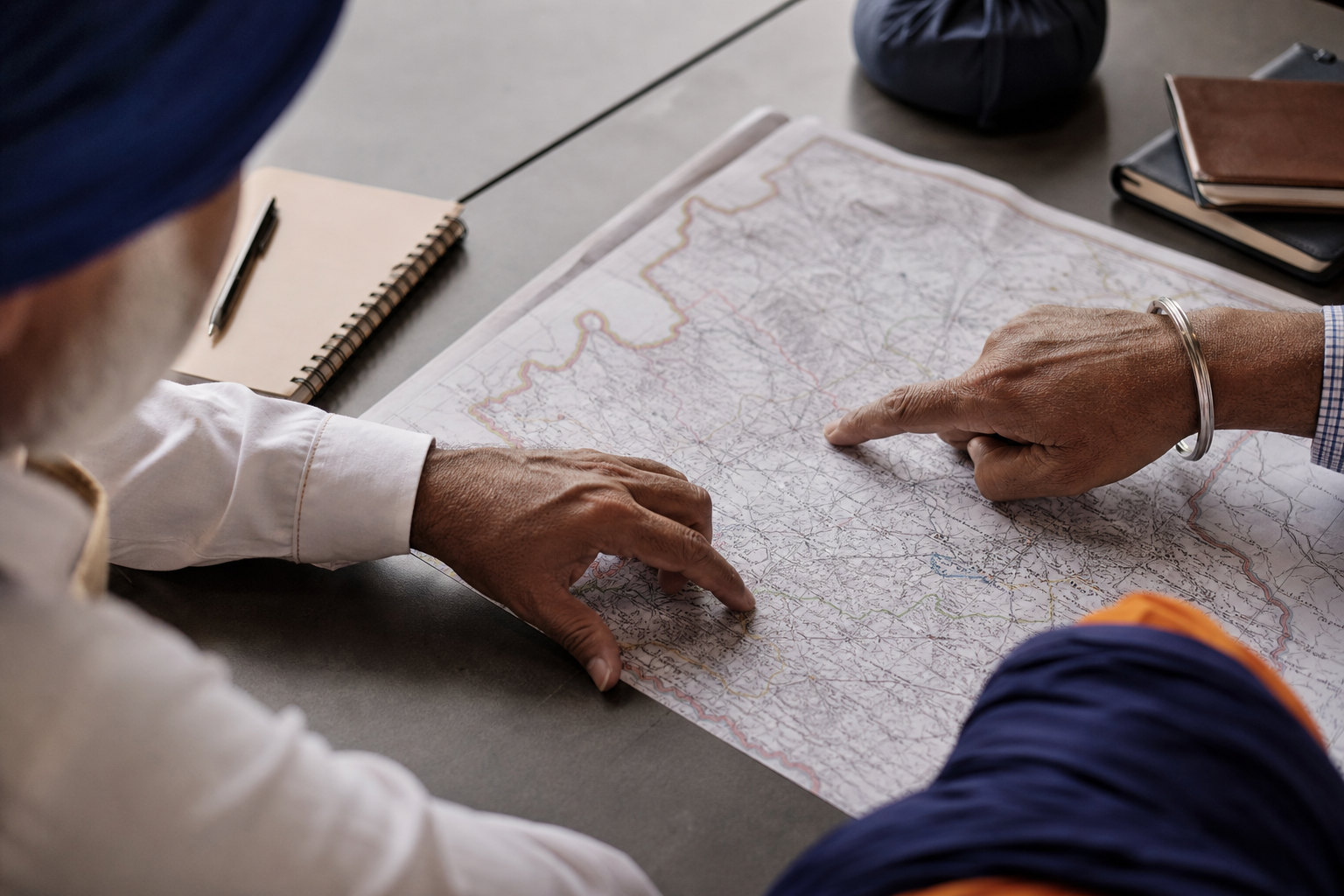
Use your available days to balance heritage depth and travel fatigue. The following mixes are practical starting points; adjust them to match your group's mobility and interests.
- 5 days: Focus on one core site (Nankana Sahib or Kartarpur Sahib) plus a nearby cluster. Minimise transfers and keep at most one overnight move.
- 7 days: Add a full Lahore district day to visit several historic shrines, and keep at least one rest or low-activity day to recover from travel.
- 9 days: Cover Nankana Sahib, Kartarpur Sahib, a Lahore cluster, and one additional heritage site for deeper context while keeping travel days reasonable.
- 13 days: Aim for broad heritage coverage across regions, include rest days, and consider optional add-ons such as combined itineraries with Dubai or Europe if offered by the operator.
Tradeoffs: more sites equal richer history but also more transfers. For seniors or young children, favour fewer moves and longer stays near major sites.
What to ask and verify when choosing a Yatra operator
Before you commit, get written answers to these operator-vetting questions. Compare two or three operators and make sure their sample itineraries show time at each gurdwara.
- Accreditation and licences: Request proof of business accreditation and travel licences. Some agencies show TICO and IATA credentials on their websites; verify any claims in writing and by reference to official registries when possible.
- Local ground partner and guide credentials: Ask for the names and contact details of local partners, lead guides, and driver companies. Confirm whether guides are experienced with heritage interpretation.
- Safety, security and emergency plans: How does the operator manage security and on-the-ground risks? Request 24/7 contact numbers, emergency escalation steps, and medical evacuation arrangements.
- Itinerary detail: Insist on a day-by-day schedule that includes time at each gurdwara, transport durations, and rest breaks. Ask how the operator handles crowd management at busy shrines.
- Health and medical support: Ask about nearest clinics or hospitals, guide first-aid training, and access to pharmacies. For travellers with chronic conditions, ask how medications will be handled.
- Insurance recommendations: Request the operator’s minimum insurance recommendations, including medical evacuation and trip interruption coverage.
- Group composition and leader ratio: For larger Jathas, ask about leader-to-participant ratio and whether there is a dedicated medical liaison or elder care coordinator.
- Meals and dietary needs: Confirm langar arrangements and whether specific dietary requests can be accommodated by hotels or packed meals on long drives.
- Cancellation, change and refund policy: Get the written policy for delays, border changes, or operator-initiated adjustments.
Common concerns such as "Is travel to Pakistan safe for pilgrims?" are best addressed by asking operators how they manage security, whether they run region-specific Jathas, and by checking independent travel advisories and community references. No operator can guarantee zero risk, so focus on documented contingency plans.
Logistics and documentation checklist before you book

Confirm these practical items with both your operator and official sources. Many agencies list visa and document services among their offerings; always verify final entry rules with the consulate before travel.
- Passport: Verify validity requirements and blank pages needed for Pakistan entry with the relevant consulate.
- Visa support: Ask whether the operator prepares and submits visa documents, or only provides guidance. Get timelines for processing.
- Travel insurance: Purchase insurance that covers medical evacuation and trip interruption; confirm the operator’s preferred providers if any.
- Flights and internal transfers: Check international arrival times, internal flight or bus connections, and realistic transfer durations between sites.
- Passport/OCI/photo services: If you need passport photos, OCI or other document support, confirm whether the operator provides those services and the related turnaround times.
- Official sources: Operators can help, but verify legal entry requirements and health advisories with consular websites or official government pages before final payment.
Senior and family planning: mobility, pacing and accommodation checks
Seniors and families often need slower pacing and closer hotels. Use these checks to secure an accessible and comfortable Yatra.
- Daily exertion: Ask the operator for an estimate of walking and standing time at each site, plus whether transport drops you at main entrances.
- Rest and shade: Confirm planned rest stops, shaded waiting areas, and timed langar participation so elders can avoid long standing periods.
- Hotel proximity and comfort: Choose hotels near main gurdwara complexes to reduce transfer times, and check room amenities for elder needs.
- Medical readiness: Ask how guides will support medication schedules, and where the nearest clinics or pharmacies are located.
- Accessible transport: Request vehicles with easy boarding, AC and space for mobility aids. For limited mobility, ask whether wheelchair availability or assisted walkways exist at sites.
- Private or slower Jathas: Consider private or smaller-group Jathas if you need a customised, slower pace.
Why these sites matter: preservation context and cultural scale
The scale of Sikh heritage in present-day Pakistan gives any heritage Yatra deep cultural significance. Researchers and community surveys have documented a large concentration of historic gurdwaras in Pakistan, especially in Punjab, and published guidebooks and conservation projects are bringing more attention to their preservation. For background reading see reporting and guidebook coverage on Sikh shrines SikhNet and a DAWN article on a guidebook project DAWN. For administrative and site-management details, consult national or regional shrine authorities.
Next steps and how to contact an accredited Yatra operator
Compare two or three operators using the checklists above. Request a sample day-by-day itinerary that shows how much time is scheduled at each gurdwara and how transfers are handled. Ask for written confirmation of visa support, local partners, emergency plans and cancellation terms before you pay a deposit.
To request a tailored Pakistan Yatra plan and operator information, view sample packages or submit an enquiry at Singh Travel & Tours Canada: Singh Travel & Tours Canada.
Frequently asked questions
Which gurdwaras are must-see on a short Pakistan Yatra?
For a short trip, most pilgrims prioritise Sri Nankana Sahib and Kartarpur Sahib, then add a Lahore-day cluster if time allows. Use the five filters in this checklist to confirm what matters to your group.
How do I check if a Yatra operator is accredited and reliable?
Ask for written proof of accreditation and licences, local ground partner names and contact details, 24/7 emergency numbers, sample itineraries with time allocations, insurance recommendations, and the operator's cancellation policy. Accredited agencies typically list credentials and services on their websites.
Can seniors and families safely join a Pakistan Yatra and what should we ask for?
Yes, with careful planning. Request reduced daily walking, hotels near main sites, slow-paced Jathas or private groups, clear rest plans, and documented medical contingency procedures. Confirm these features in writing before you pay a deposit.
Will a typical Pakistan Yatra include visa and documentation support?
Many operators offer visa guidance and can assist with passport, OCI and photo services, but inclusions vary. Always confirm what is included in writing and verify final entry requirements with the relevant consulate before travel.
How can I learn more about the preservation status of Sikh heritage sites in Pakistan?
Start with reporting and published guidebooks that document shrine clusters and preservation efforts. Two useful starting points are a SikhNet community heritage report and a DAWN article on a guidebook project SikhNet and DAWN. For official site listings and management details consult national or regional shrine authorities.
Ready to compare sample itineraries and confirm availability? Contact Singh Travel & Tours Canada to request a personalised Pakistan Yatra plan and expert assistance: Singh Travel & Tours Canada.