Gurdham Yatra Pakistan: Sites, Permits and Practical Travel
Plan Gurdham Yatra Pakistan with practical guidance on sacred sites, visas, Kartarpur permits, routes, timing, etiquette, accessibility, and group tours.
Last updated: October 2026
Key takeaway:Gurdham Yatra Pakistan is a Sikh pilgrimage through historic gurdwaras including Nankana Sahib, Panja Sahib, Kartarpur Sahib and Dera Sahib Lahore. A successful journey depends on confirming the correct Pakistan pilgrimage visa or travel authorisation, planning the route around official access arrangements, and allowing enough time for prayer, sangat and rest. A specialist organiser can coordinate group documentation, transport and accommodation, but travellers should verify current requirements before departure.
In this guide
- Understanding the yatra
- Key gurdwaras and sites
- Visas, permits and documents
- Route and itinerary planning
- Timing and seasonal planning
- Preparation and etiquette
- Safety, accessibility and health
- Group tours and private yatras
- Why travel with Singh Travel & Tours Canada
- Frequently asked questions
What is Gurdham Yatra Pakistan?
Gurdham Yatra Pakistan is a descriptive term for a pilgrimage to historic Sikh shrines in Pakistan. The journey connects travellers with the places associated with Guru Nanak Dev Ji and other Sikh Gurus, while giving the sangat an opportunity to participate in darshan, kirtan, ardas, langar and seva. It is both a spiritual journey and a visit to a living heritage landscape.
There is not one universally standardised official programme named “Gurdham Yatra Pakistan.” Organisers use the term for different itineraries, from a focused visit to Nankana Sahib and Kartarpur Sahib to a longer circuit covering more than 25 historic gurdwaras. The exact sites, duration, transport arrangements and access conditions depend on the itinerary, travel dates and applicable Pakistani requirements.
The pilgrimage is especially meaningful for families and members of the worldwide Sikh diaspora whose ancestral religious heritage is connected to Punjab. It can also be physically demanding. Distances between sites, immigration procedures, walking, weather and event crowds all influence the experience, so spiritual preparation should be matched by practical preparation.
Why do pilgrims make this journey?
Many travellers undertake a Sikh pilgrimage Pakistan journey to visit the birthplace and final resting places associated with foundational moments in Sikh history. Others are drawn by the chance to pray with fellow devotees, introduce younger family members to Sikh heritage or mark a significant occasion such as Gurpurab or Vaisakhi.
The value of the yatra is not limited to the number of shrines visited. A well-paced itinerary leaves room for silence, reflection, sangat and seva rather than treating every stop as a hurried sightseeing appointment. Ask an organiser how much time is reserved for worship and community participation, not only how many destinations appear in the brochure.
Which gurdwaras are commonly included?
Pakistan contains several of the most important historic Sikh sites. The list below describes commonly requested stops, but access and sequencing should always be confirmed for the dates of travel. The Evacuee Trust Property Board shrine information is a useful official reference because the board’s Shrines Department supports religious activities and lists relevant pilgrimage services.
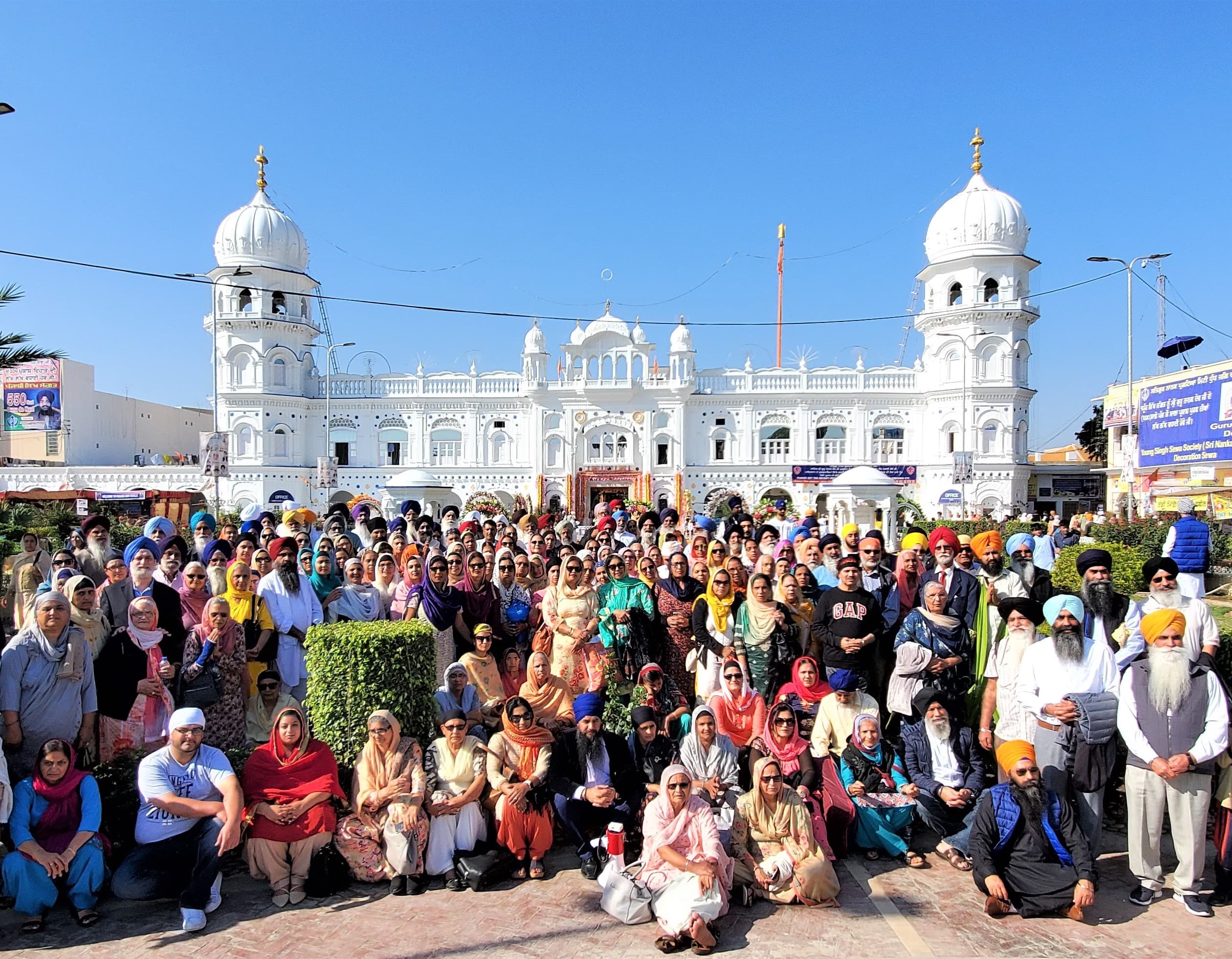
Nankana Sahib and Gurdwara Janam Asthan
Nankana Sahib is widely regarded as the centrepiece of many itineraries because Gurdwara Janam Asthan is associated with the birthplace of Guru Nanak Dev Ji. Pilgrims often allow more than a brief photo stop here so they can attend prayers, spend time in the complex and absorb the importance of the site.
A Nankana Sahib tour may include other nearby historic gurdwaras, depending on the programme and permissions. Ask whether local transfers, meals, guide services and time for worship are included, and whether the itinerary changes during major commemorations.
Gurdwara Panja Sahib in Hasan Abdal
Gurdwara Panja Sahib in Hasan Abdal is associated with the revered handprint of Guru Nanak Dev Ji on a rock. Its setting and religious significance make it a major stop on extended Pakistan Yatra routes. Travellers should expect footwear and head-covering requirements and should follow instructions from the gurdwara management and accompanying guides.
Darbar Sahib Kartarpur
Gurdwara Darbar Sahib Kartarpur is associated with the later years of Guru Nanak Dev Ji and is reached through arrangements connected with the Kartarpur Corridor. A corridor visit is not simply interchangeable with an ordinary domestic sightseeing stop: the relevant authorisation, entry conditions, timing and identity checks must be confirmed before travel.
Some itineraries include Kartarpur as part of a wider Pakistan pilgrimage, while others focus on a dedicated corridor visit. Ask specifically whether the package includes the Kartarpur authorisation, transfers to the entry point, border or immigration assistance and the time permitted at the shrine.
Dera Sahib Lahore
Gurdwara Dera Sahib in Lahore is associated with Guru Arjan Dev Ji and is often paired with a heritage visit in the Lahore area. A Lahore stop may also place the group near important historic landmarks, but religious visits should remain the priority. Crowds, traffic and security procedures can make the day longer than a map suggests.
Sacha Sauda, Rohri Sahib and additional heritage gurdwaras
Gurdwara Sacha Sauda at Farooqabad is linked with the tradition of true benevolence and seva. Longer routes may also include Rohri Sahib and other historic sites. These additional stops can deepen the journey, but they also increase driving time, so travellers should balance the size of the site list with age, mobility, health and the number of available days.
What documents and permits are needed?
Documentation is one of the most important parts of planning a Gurdham Yatra Pakistan. Requirements can vary by nationality, purpose of travel, itinerary, date and government policy. Do not rely on an old checklist or assume that a general tourist application automatically covers a religious group journey.
Pakistan visa or pilgrimage authorisation
Travellers should confirm the appropriate Pakistan e-visa or pilgrimage visa route for their nationality and itinerary. Official Pakistani terminology may include “pilimage visa,” “Yatra Visa” or arrangements for Sikh yatrees. The application may require passport details, photographs, itinerary information, accommodation details, group information or supporting documentation.
Check that the passport is valid for the period required by the application and destination authorities, with sufficient blank pages where applicable. Names, passport numbers and dates must match across the application, airline booking, insurance record and group manifest. A small spelling difference can create avoidable delays.
Kartarpur Corridor arrangements
A Kartarpur Corridor visit may require a separate electronic travel authorisation or entry process in addition to the documents needed for a wider Pakistan trip. Because procedures can change, confirm the current Kartarpur Corridor permit or ETA requirements with the organiser and the responsible authorities before making non-refundable arrangements.
Ask four practical questions: Is the authorisation submitted individually or through the group? What information is needed? When will approval be shared? What happens if the requested date or entry time is unavailable? Written answers make it easier for every member of a family or jatha to track responsibility.
Documents to carry
- Passport and approved visa or authorisation, with printed and securely stored digital copies.
- Confirmed flight, accommodation and ground-transport details.
- Group contact list, emergency contacts and the organiser’s 24/7 support number.
- Travel insurance policy, prescription information and relevant medical records.
- Copies of documents for a trusted family member at home.
- Any group letters, invitation material or shrine-related documentation supplied for the itinerary.
Immigration and shrine access decisions remain with the relevant authorities. A travel company can help prepare and submit information, but it cannot guarantee approval or override a government decision. Review the latest official instructions close to departure rather than treating this article as a substitute for an application checklist.
How should you plan the route?
A route should be designed around the religious purpose of the journey, not just the maximum number of pins on a map. Lahore and Islamabad are common gateways for different circuits, but the best entry point depends on flight availability, approved itinerary, site access and the locations being visited.
Build the itinerary around regional clusters
Grouping nearby destinations reduces unnecessary backtracking and gives the group more time at each gurdwara. A programme might connect Lahore-area sites, travel toward Nankana Sahib, continue to Hasan Abdal and then include Kartarpur according to the approved plan. The actual order should be set by the organiser after checking road conditions, accommodation and access arrangements.
Request a day-by-day schedule showing estimated drive times, worship periods, meal breaks, rest stops and overnight locations. “Visit included” can mean anything from a brief arrival to several hours at a shrine, so clarity matters for seniors, families with children and anyone with mobility limitations.
Choose an appropriate trip length
Singh Travel & Tours Canada describes Pakistan Yatra options of five, seven, nine and thirteen days. A shorter itinerary may suit travellers with limited leave, while a longer programme can include more historic gurdwaras and a gentler pace. The right choice depends on the traveller’s physical capacity and spiritual priorities rather than a simple preference for more destinations.
| Trip style | Often suits | Planning question |
|---|---|---|
| Focused visit | Travellers with limited time or a small priority list | Are the essential shrines receiving meaningful time? |
| Standard group yatra | Families and sangat seeking shared transport and structure | How large is the group and how are different walking speeds handled? |
| Extended heritage route | Returning pilgrims or travellers wanting additional historic sites | Does the extra driving leave enough time for prayer and rest? |
| Private itinerary | Families, seniors or groups with specific dates and pacing needs | Which services and changes are included in the quotation? |
Allow contingency time
Road traffic, security checks, weather, flight disruption and group movement can affect a schedule. A good itinerary does not depend on every transfer taking the minimum estimated time. Leave flexibility around international connections and avoid planning a major event immediately after a long-haul arrival.
When is the best time to travel?
Many travellers prefer the cooler period from November to March, although conditions and comfort vary by city and activity. Gurpurab and Vaisakhi can provide an especially powerful communal experience, with more opportunities to join special programmes, but demand may also be higher and accommodation or transport may require earlier planning.
Major commemorations can change the rhythm of a yatra. Crowds may increase, access may be more structured and travel days may take longer. The Government of Pakistan’s 2024–25 Ministry of Religious Affairs year book, for example, records Guru Nanak Dev Ji birthday celebrations held from 14 to 23 November 2024, with the main ceremony at Gurdwara Janam Asthan in Nankana Sahib and visits to prominent gurdwaras by Sikh yatrees.
Before selecting dates, ask whether the programme is built around a religious event, what time pilgrims are expected to arrive, and whether the group can accommodate older travellers in a crowded environment. Booking early helps with availability, but it should not replace confirmation that the required visa and access arrangements are possible.
How can you prepare for the journey?
Pack for worship and movement
Comfortable walking shoes, modest quick-dry clothing, a head covering, prescribed medication, a refillable bottle and a universal power adapter are practical choices. Keep essential medicines in hand luggage and carry them in clearly labelled original packaging. A small personal first-aid kit and oral rehydration supplies can be useful, subject to any airline and destination restrictions.
Pack lightly enough for group transfers, but keep a change of clothing accessible after a long travel day. A scarf or patka, socks for walking after removing footwear and a secure day bag can make visits more comfortable. Confirm baggage limits with the airline and organiser rather than assuming that a group booking has the same allowance as every individual fare.
Follow gurdwara etiquette
- Cover your head and wear clothing that is respectful and suitable for worship.
- Remove shoes where required and keep them in the designated area.
- Do not bring tobacco, alcohol or other prohibited items into a gurdwara.
- Ask permission before photographing people, ceremonies or interior spaces.
- Keep phones silent during prayers and follow the directions of sevadars.
- Receive and participate in langar respectfully, taking only what you can use.
- Join seva in an appropriate way, whether through service, cleanliness or a considered donation.
Etiquette is not merely a checklist. It helps preserve the dignity of the shrine and supports a calm experience for everyone present. Guides can explain local procedures, but each pilgrim remains responsible for behaving respectfully.
Manage money and communication
Carry a practical mix of local currency and payment cards, while keeping cash divided between secure locations. Ask the organiser which meals and local expenses are included. International roaming, a local SIM or reliable group communication should be arranged before an important transfer, and family members at home should receive the itinerary and emergency contact details.
What should seniors and families consider?
Safety planning begins with honest information about the traveller, not a generic promise that every trip is effortless. Tell the organiser about walking limitations, allergies, medical conditions, dietary needs and the ability to manage stairs, uneven surfaces or long coach journeys before the itinerary is finalised.
Ask about accommodation and transport
Confirm the distance from each accommodation to the coach, dining area and gurdwara. Ask whether accessible rooms, lifts, wheelchair assistance and washroom stops are available on the specific route. “Senior-friendly” should be explained in practical terms: slower departures, shorter walking sections, seating arrangements, assistance with luggage or an available companion.
Prepare for health and fatigue
Consult a qualified health professional about personal travel needs and any recommended vaccinations well before departure. Travel insurance should cover the activities and destination, and travellers should understand emergency procedures, exclusions and how to contact assistance. Carry a written medication list using generic medicine names as well as the prescriptions themselves.
Hydration, sleep and pacing matter during a devotional journey. A group should not pressure a tired traveller to complete every optional stop. Sometimes remaining at the accommodation, joining a shorter programme or taking a rest period is the wiser way to preserve the spiritual quality of the trip.
Understand changing conditions
Travel advisories, entry rules, border procedures, weather and local security arrangements can change. An organiser should explain how updates are communicated and what support is available if a road, flight or site visit changes. Travellers should register their itinerary with relevant personal contacts and follow official instructions during the journey.
Should you choose a group tour or private yatra?
A Gurpurab group tour or scheduled jatha can simplify shared transport, accommodation, documentation and daily coordination. It also creates sangat and can make a first visit less intimidating. The trade-off is a fixed departure date, shared pacing and less freedom to add or remove stops.
A private itinerary may be more suitable for a family with specific dates, a senior requiring a gentler pace or a group with a particular set of gurdwaras in mind. It can offer more control, but the quotation should clearly state what is included and whether changes affect the price.
Questions to ask before booking
- Which gurdwaras and ceremonies are confirmed, and which are subject to access approval?
- What visa, pilgrimage documentation and Kartarpur Corridor arrangements are included?
- Are international flights, domestic transfers, accommodation, meals, guides and insurance included or separate?
- How many travellers are expected, and what support is available for mobility needs?
- What happens if a flight, road journey or shrine visit is delayed or cancelled?
- Who provides support outside Canadian business hours?
- What are the deposit, cancellation and change conditions?
Transparent pricing means more than a low headline figure. Request a written breakdown so you can compare the same services across providers. A reputable agency should explain assumptions and exclusions instead of presenting an itinerary that appears complete but leaves essential arrangements to the traveller.
Why consider Singh Travel & Tours Canada?
Singh Travel & Tours Canada is based in Mississauga, Ontario, and specialises in spiritual yatras and worldwide travel. The business states that it is TICO- and IATA-accredited, has more than 20 years of domain experience and supports group jathas as well as customised private itineraries for the worldwide sangat.
Its Pakistan offerings include multi-day five-, seven-, nine- and thirteen-day yatra options, with itineraries focused on sacred Sikh sites such as Sri Nankana Sahib and more than 25 historic gurdwaras. The agency also supports general visa and ticketing needs, passport, OCI and photo services, and worldwide flight arrangements. These services can be useful for travellers who prefer one point of contact, but the final inclusions should always be confirmed in writing.
The company describes support with Pakistan e-visa guidance, group documentation, transport, accommodation, guides and 24/7 assistance. It also serves clients from Canada, the USA, the UK and other locations. For a local consultation, travellers can contact the Mississauga team through the agency’s official travel website and ask for a current itinerary, document checklist and quotation.
When comparing an organiser, consider responsiveness as well as destination knowledge. The best fit is the provider that answers specific questions about access, pacing, documents, contingency plans and senior care - not simply the one with the longest site list.
Frequently asked questions about Gurdham Yatra Pakistan
What is included in a typical Gurdham Yatra Pakistan itinerary?
A typical itinerary may include selected historic gurdwaras such as Nankana Sahib, Panja Sahib, Kartarpur Sahib and Dera Sahib Lahore, along with transport, accommodation, group coordination and guide support. Inclusions vary by organiser and trip length, so confirm whether flights, meals, visa assistance, shrine access, insurance and local transfers are included.
Is a Pakistan e-visa enough for a Kartarpur visit?
Not necessarily. A Kartarpur visit may involve a separate authorisation or entry process in addition to the documentation for a broader Pakistan trip. Confirm the current requirements for your nationality, itinerary and travel date with the organiser and responsible authorities before booking.
How many days are needed for a Sikh pilgrimage Pakistan tour?
There is no single ideal duration. A focused trip may take about five days, while seven-, nine- or thirteen-day programmes can allow more sites, rest and community time. Choose based on the priority gurdwaras, available leave, health and the amount of driving you can comfortably manage.
Can seniors join a Gurdham Yatra?
Many seniors join these journeys, but the itinerary should be assessed individually. Ask about walking distances, stairs, accessible rooms, coach seating, washroom breaks, medication support and the pace of each day. Sharing accurate mobility and health information before booking allows the organiser to recommend a more suitable route.
Begin planning your pilgrimage
A meaningful Gurdham Yatra Pakistan combines reverence with careful preparation. Start by identifying the gurdwaras that matter most to your family, then confirm the current visa and access requirements, choose a realistic pace and obtain a written breakdown of every included service. For help comparing a group jatha with a private itinerary, contact Singh Travel & Tours Canada for current options and documentation guidance.