Dubai Desert Safari Tips: Avoid Rookie Mistakes (2026)
Plan desert safari tours in Dubai with expert tips on types, safety, packing, booking, and local insights. Curated by a TICO/IATA-accredited agency.
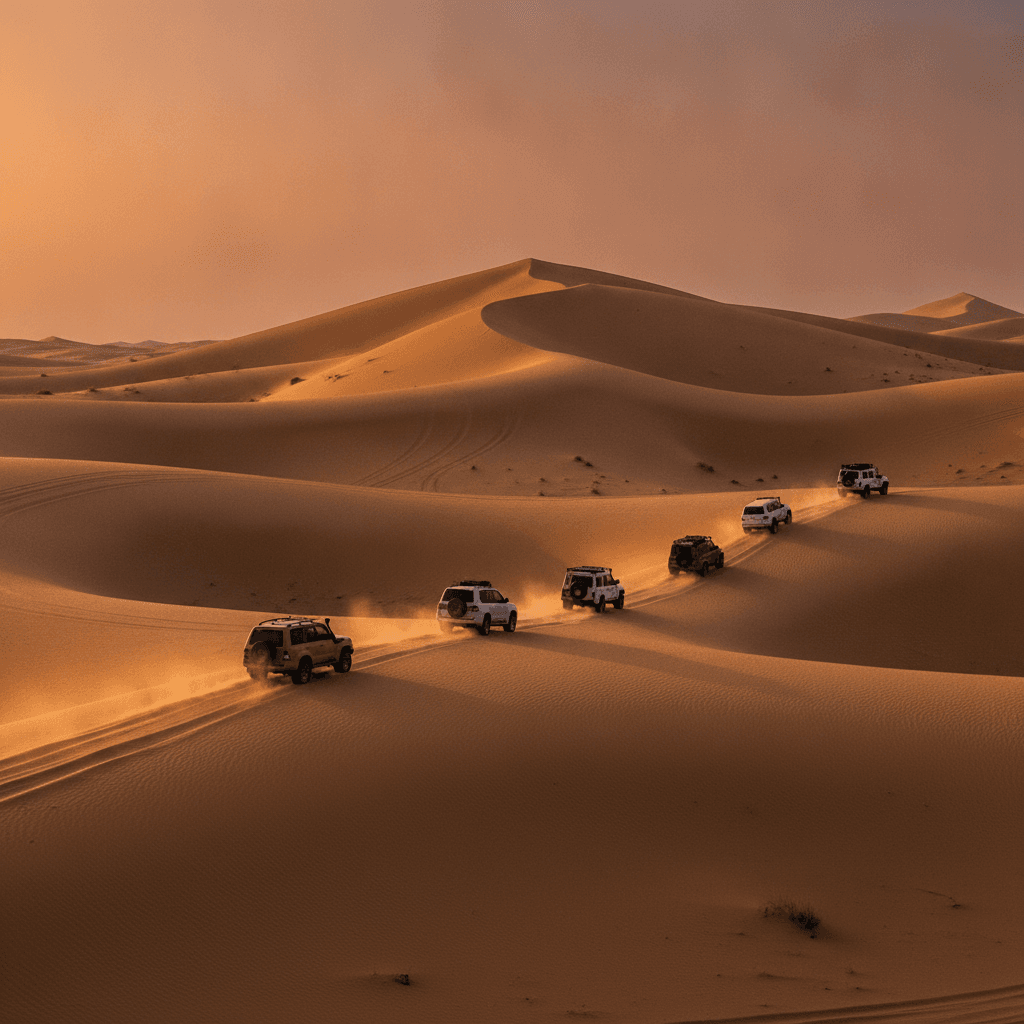
Desert safari tours in Dubai are guided 4x4 excursions into the sand dunes with options for dune bashing, camel rides, sandboarding, and cultural evenings. Most tours run morning, afternoon-to-evening, or overnight, with hotel pickup and drop-off. They matter for visitors who want an authentic desert experience with safe, organized logistics.
By Singh Travel & Tours Canada — TICO/IATA-accredited travel agency in Mississauga, serving families, seniors, and private groups worldwide. Last updated: 2026-06-30
Summary
This guide explains Dubai desert safaris from start to finish: types (morning, evening, overnight), how tours run, safety, packing, and booking tips. It also shows how our accredited team bundles Dubai safaris inside multi-destination itineraries for families, seniors, and private groups seeking smooth, culturally aware travel.
- Understand morning vs evening vs overnight formats in under a minute.
- See how hotel pickup, dune bashing, and camp activities usually flow.
- Use our senior-friendly, family-first packing and safety checklists.
- Avoid 12 common rookie mistakes that create stress and delays.
- Explore add-on options: quad bikes, sandboarding, private tents, stargazing.
- Plan a Dubai stopover within Pakistan + Dubai or Europe routes with our team.
What is a desert safari in Dubai?
A Dubai desert safari is a guided off-road experience in the dunes with hotel pickup, 20–30 minutes of dune bashing, optional camel rides and quad biking, and cultural camp activities. Tours typically last 4–7 hours for evening formats or include an overnight under the stars with breakfast.
At its core, a desert safari brings you into the city’s surrounding dunes for a mix of adventure and culture. You’ll ride in an air-conditioned 4x4, pause for photos at scenic crests, and, if you choose evening or overnight, unwind in a traditional-style camp with dinner and shows. Most operators keep small vehicle groups—commonly 4–6 guests per SUV—for safety and comfort.
- Duration markers: Morning programs average 3–4 hours; evening safaris often run 6–7 hours door-to-door; overnight adds sunrise and breakfast.
- Drive time: Most hotels are 35–60 minutes from the dunes depending on traffic and pickup routing.
- Adventure dial: Ask for a “soft,” “moderate,” or “high-thrill” dune-bashing profile before departure.
Our team routinely builds Dubai safaris into broader trips—like a 9-day Pakistan Yatra + 4-day Dubai tour—so your desert evening lands between long-haul flights, not right after them. That spacing cuts fatigue and helps seniors and kids enjoy the ride.
Why a desert safari matters in your Dubai plan
A desert safari adds a signature Dubai experience—golden-hour dunes, Bedouin-inspired hospitality, and optional adrenaline—without complex planning. With hotel pickup, fixed-duration activities, and curated camp programs, it’s a high-value way to balance culture, scenery, and family-friendly fun in one afternoon or night.
If you’re building a multi-destination trip—Pakistan Yatra plus Dubai or a Europe + Dubai vacation—the safari compresses big moments into a predictable time block. Families appreciate the defined schedule (often 2:30–9:00 p.m. window), and seniors value seated elements like tea service and shows. Private groups can dial up or down the thrill, schedule photography at sunset, and secure quieter seating areas.
- Time-efficient: One experience checks off adventure, photos, culture, and dinner in roughly 6–7 hours.
- Accessible options: Many camps feature low seating and back-support chairs by request; camel encounters can be brief walk-ups rather than full rides.
- Predictable flow: Pickup → dune bashing (20–30 min) → photo stop → camp activities/show → dinner → drop-off.
As a TICO- and IATA-accredited agency, we match safari intensity and timing to your flight schedules, jet lag patterns, and group composition—especially important when you’re arriving from North America or the UK.
How desert safari tours work (step-by-step)
Most Dubai safaris follow a set flow: hotel pickup, convoy drive to the dunes, tire deflation, 20–30 minutes of dune bashing, sunset photos, and a camp program with dinner and shows. Overnight formats add stargazing, basic tented lodging, and sunrise activities with breakfast.
- Pickup and dispatch: Operators group nearby hotel pickups in 15–30 minute windows to keep convoys together.
- Transit: Expect 35–60 minutes on city and highway roads; drivers brief you on safety and motion tips.
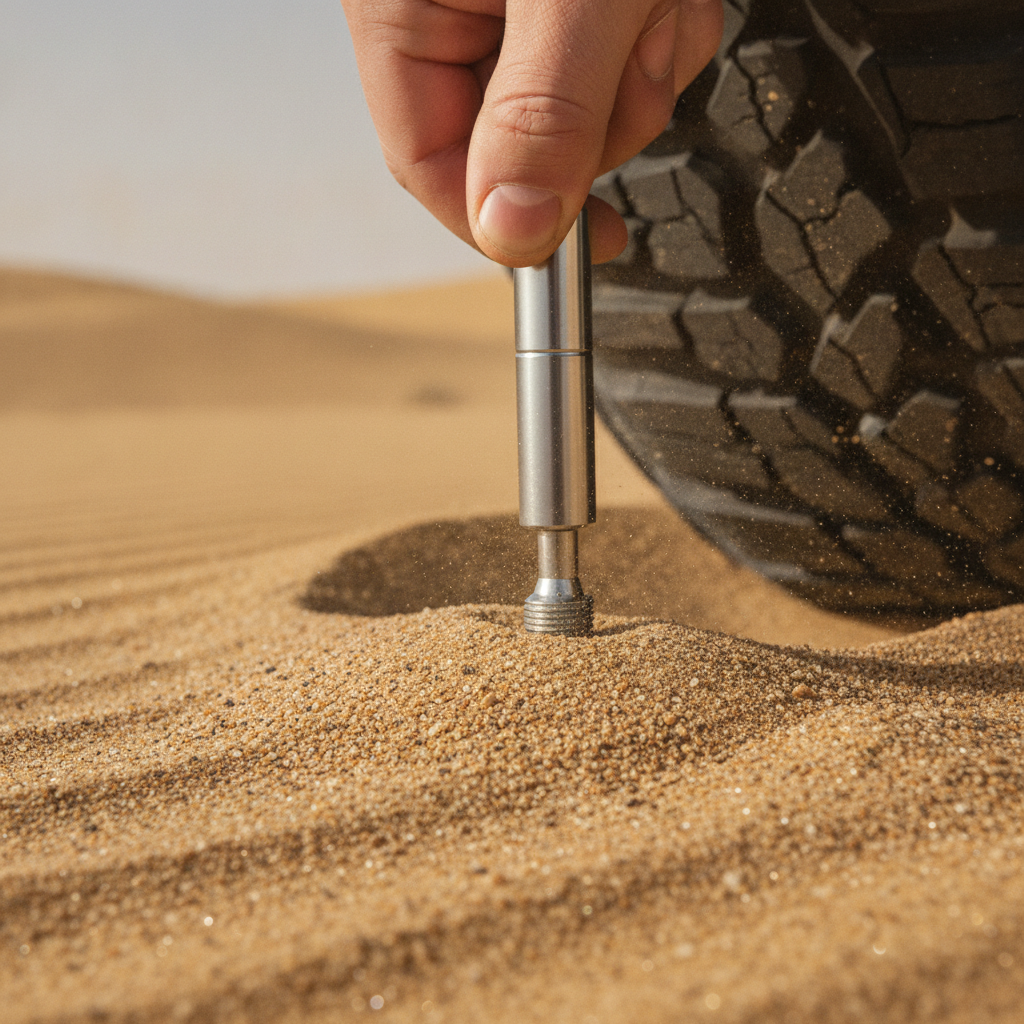
- Tire prep: At the desert edge, SUVs deflate tires to improve traction; this takes about 5–10 minutes.
- Dune bashing: A trained driver navigates crests and bowls; seat belts stay on. Motion-sensitive guests can request smoother lines.
- Scenic stop: Sunset or golden-hour photos usually last 10–15 minutes; bring a phone lanyard for safety.
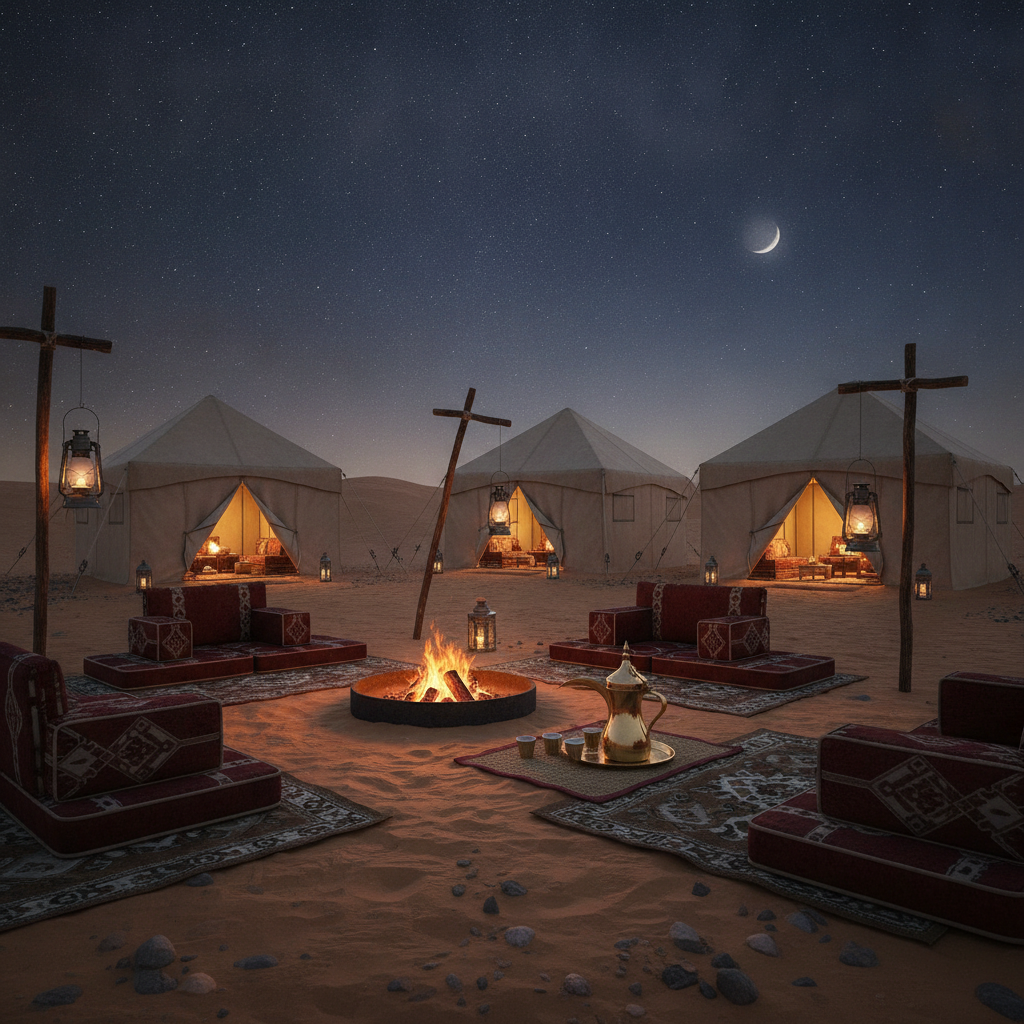
- Camp arrival: Tea, Arabic coffee, and dates welcome you; activities are announced over a brief PA or by staff.
- Activities: Common options include camel encounters, sandboarding, henna, and quad-biking loops in a marked zone.
- Dinner and show: Buffet-style service is typical; vegetarian selections are common. Shows run 25–45 minutes.
- Return or overnight: Evening guests depart after dinner; overnight guests get tents, extra refreshments, and a sunrise outing.
We coordinate dietary notes, mobility requests, and seating preferences in advance, particularly for seniors and young kids. If your group spans energy levels, we may split vehicles: one SUV riding “soft,” another taking steeper lines.
Desert Safari Tours Dubai: types, timing, and what to expect
Choose morning for bright photos and milder heat, evening for sunset and dinner shows, or overnight for stargazing and sunrise. Standard flows include hotel pickup, 20–30 minutes of dune bashing, a photo stop, and camp activities. Private upgrades add gentler routes, dedicated seating, and tailored timing.
Common formats
- Morning (3–4 hours): Early pickup (often 7:00–8:00 a.m.), softer temperatures, sharper shadows for photos, and back at the hotel by late morning.
- Evening (6–7 hours): Pickup in the 2:30–3:30 p.m. band, sunset photo stop, dinner buffet, and a 25–45 minute show block.
- Overnight: Evening program plus tented rest, cool desert air, and sunrise sandboarding or camel encounter with breakfast.
At-a-glance comparison
| Format | Best For | Typical Pickup | Key Moments | Considerations |
|---|---|---|---|---|
| Morning | Families with kids, photographers | 7:00–8:00 a.m. | Soft temps, bright dunes, back before lunch | Skip dinner/show; midday can get warm |
| Evening | First-timers, couples, mixed groups | 2:30–3:30 p.m. | Sunset, camp dinner, cultural show | Late return for early flights next day |
| Overnight | Adventure seekers, stargazers | 2:30–3:30 p.m. | Sunset + dinner + sunrise | Basic tents; bring layers (50–60°F in winter nights) |
We often anchor an evening safari mid-itinerary—day 2 or 3 after arrival—to balance jet lag and maximize sunset energy. For Europe + Dubai routes, we align with your city touring so you’re not packing two long days back-to-back.
Best practices: avoid rookie mistakes that cause stress
Prevent common issues by confirming pickup windows, stating motion sensitivity, and packing essentials like water, sun protection, and light layers. Request “soft” driving if needed, eat a light meal 60–90 minutes before dune bashing, and keep valuables minimal with a crossbody or zippered daypack.
Before you go
- Confirm your window: Pickup windows are often 30–60 minutes; be ready 10 minutes early.
- State preferences: Ask for a gentler driving profile; front seats feel smoother for many guests.
- Eat light: A small meal 60–90 minutes pre-ride reduces motion discomfort.
- Hydrate smartly: Aim for 8–16 oz in the hour before departure; keep sipping, don’t chug.
On the dunes
- Seat belts on: Always buckled; secure kids per age-appropriate regulations.
- Hands free: Use a phone lanyard or wrist strap; photos at crests are breezy.
- Motion cues: Look at the horizon, not down—this helps many riders.
- Sun balance: SPF 30+ and sunglasses; winter evenings can still reflect light strongly.
At the camp
- Allergens: Share dietary needs in advance; vegetarian and mild-spice options are common.
- Footwear: Closed-toe for quad biking; sandals are fine for camp zones.
- Layers: Bring a light jacket November–February; desert nights can drop to the 50s °F.
- Valuables: Keep cash/cards minimal and zipped; bring a small power bank (5,000–10,000 mAh).
In our experience, the single biggest stressor is last-minute timing changes across large groups. We place larger Jathas or private families in two convoy waves—one departing on the dot, a second trailing by 15 minutes—to protect punctual guests and keep the experience smooth.
Tools and resources to plan a smooth safari
Use a simple packing list (SPF 30+, hat, water bottle, scarf, light layers), note your pickup window, and set phone alarms 20 minutes prior. Add a wrist strap for your phone, a compact power bank, and polarized sunglasses. Families and seniors benefit from pre-arranged seating and soft-driving requests.
- Micro-packing kit: 1 hat, 1 scarf or buff, SPF 30+, sunglasses, lip balm, 12–20 oz bottle, light jacket (winter months).
- Tech add-ons: Phone lanyard, 5,000–10,000 mAh power bank, lens wipe, and a small flashlight for camp paths.
- Mobility aids: Request chairs with back support and minimize dune walking in soft sand for seniors.
- Dietary planning: Share vegetarian, vegan, halal specifics in your booking notes so the camp prepares.
We bundle visa/documentation help, flight tickets, and Dubai tours under one roof so you don’t juggle multiple vendors. For general background on the city’s tourism framework, see this overview of Dubai’s tourism economy.
Mini case studies: how we fit safaris into real trips
We place the safari where it feels effortless: not right after a long-haul flight, not before a dawn departure. For families and seniors, we schedule evening formats on day 2–3, request soft driving, arrange back-support seating, and align dinner timing with your usual mealtime to keep energy steady.
Family flying from Toronto (with Pakistan Yatra + Dubai)
- Flow: International arrival → rest day → Pakistan Yatra → Dubai hop → evening safari on day 2 in Dubai.
- Why it works: Jet lag eases; kids are fresh by late afternoon; sunset photos line up with family dinner.
- Add-ons: Light sandboarding lessons for older kids; brief camel encounter instead of a full ride.
Senior couple from the UK (Dubai + Europe)
- Flow: Dubai 3 nights → Europe discovery tour.
- Why it works: Evening safari with soft driving, low-seating section, and vegetarian labels noted in advance.
- Add-ons: Private transfer back early if needed; skip quad biking and extend tea service.
Private group from North America (Jatha timing)
- Flow: Scheduled Jatha dates → Dubai stopover → safari set between city touring days.
- Why it works: Two convoy waves to accommodate different energy levels without delays.
- Add-ons: Reserved seating zone and a dedicated photo stop window for group shots.
We’ve found that placing the safari 24–48 hours after arrival yields happier guests and better photos. It creates space for you to orient to local time before an activity-rich evening.
Pricing factors (no numbers)
Safari rates vary by format (morning, evening, overnight), vehicle type (shared vs private), add-ons (quad bikes, premium seating), and season. Bundling within multi-destination trips can reduce coordination time and yields smoother logistics without discussing specific prices.
- Format: Overnight adds sunrise, light breakfast, and tented rest; evening adds dinner and shows.
- Vehicle basis: Shared SUVs are standard; private SUVs command a premium for flexibility.
- Add-ons: Quad bikes, private tables, extra photo time, and dedicated hosts affect totals.
- Seasonality: Peak months (roughly November–March) increase demand; early booking improves options.
Our role is to recommend the right mix for your priorities, then synchronize airport transfers, visas, and flights to minimize wasted hours between touchpoints.
Safety, health, and comfort checklist
Choose licensed operators, wear seat belts, and disclose motion or medical concerns before departure. Hydrate steadily, apply SPF 30+, and bring a light layer for winter evenings (often 50–60°F). Families and seniors should request soft driving, accessible seating, and clear bathroom breaks.
- Operator standards: Ask about licensed drivers, radio contact in convoys, and vehicle maintenance intervals.
- Seat allocation: Front seats can feel smoother; middle row balances visibility and comfort.
- Hydration cadence: Small sips every 15–20 minutes; avoid over-hydrating right before dune bashing.
- Heat management: Morning programs help in warmer months; evenings capture cooler breezes.
For general immigration guidance, consult reputable sources; as context material, see this overview of UAE visa considerations. For tailored documentation support, our team handles General Visa & Ticketing plus Passport/OCI/Photo services so paperwork doesn’t slow the fun.
Sustainability and cultural etiquette
Respect the desert by staying on marked routes, minimizing litter, and keeping noise down at sunset. Dress modestly for camp settings, ask before photographing people, and handle animals gently. Choose operators that protect dunes, service vehicles regularly, and brief guests on local etiquette.
- Leave no trace: Use designated bins; keep plastics secured in zip pouches until you find disposal.
- Wildlife: Observe from a distance; avoid feeding. Handle camel encounters calmly and briefly.
- Cultural respect: Camp areas are social spaces; modest attire and courteous photography go a long way.
We prefer partners that train drivers on dune preservation, maintain low-idle times at stops, and limit convoy sizes to reduce sand compaction. These small choices help keep the dunes photogenic and healthy for future travelers.
Local considerations for Dubai
- Plan evening safaris between city days to avoid two intense outings back-to-back; this pacing helps families and seniors.
- From November to March, pack a light jacket; nights can dip to the 50s °F and feel cooler with wind.
- If you’re arriving from North America or the UK, schedule your safari 24–48 hours after landing to align energy and sleep.
Booking with a TICO/IATA-accredited team
Our Mississauga-based, TICO- and IATA-accredited agency coordinates Dubai safaris alongside flights, visas, and multi-country itineraries. Families, seniors, and private groups get one itinerary, one contact, and 24/7 support—plus options to combine Pakistan Yatra, Panj Takht routes, and Dubai tours.
- Single itinerary: Flights, hotel, safari, and visas unified for fewer handoffs.
- Group formats: Scheduled Jathas or fully private trips aligned to your dates.
- Promotions: Eligible bookings may add experiences such as a Hazur Sahib Luxury Bus Yatra within broader routes.
- 24/7 support: Multi-region numbers for Canada, USA, UK, and Italy ensure someone picks up when you need help.
New to safaris? Skim this field guide to standout desert experiences to clarify which format suits your style, then we’ll tailor the rest.
Frequently Asked Questions (FAQ)
These quick answers cover timing, safety, and how to choose the right format. If you need a tailored plan—for example, a Dubai stopover within a Pakistan Yatra—our team will align flights, visas, and activities so the safari fits effortlessly.
How long does a typical desert safari take?
Most evening safaris run 6–7 hours door-to-door, including hotel pickup, 20–30 minutes of dune bashing, a sunset photo stop, dinner, and a show. Morning programs are shorter at about 3–4 hours. Overnight formats add basic lodging and sunrise activities.
Is a desert safari safe for kids and seniors?
Yes, when you choose licensed operators and request soft driving. Seat belts stay on, and families can opt for gentler lines. Seniors benefit from low seating, back-support chairs, and limited dune walking. Tell your coordinator about any motion or medical concerns in advance.
What should I wear and bring?
Wear breathable clothes, closed-toe shoes for quad biking, and bring SPF 30+, sunglasses, a hat, and a light jacket in winter months. Pack a small power bank and a phone strap for photos at dune crests. Keep valuables minimal in a zippered daypack.
Should I book morning, evening, or overnight?
Pick morning for milder heat and bright photography, evening for sunset, dinner, and shows, and overnight for stargazing plus sunrise. If you’ve just arrived from a long-haul flight, schedule your safari 24–48 hours later to enjoy it fully.
Can you combine a Dubai safari with other trips?
Absolutely. We routinely add an evening safari to Pakistan Yatra itineraries, Panj Takht routes, or Europe tours. You’ll get one itinerary, aligned flights, and documentation support so everything flows without last-minute scrambles.
Conclusion and next steps
A Dubai desert safari blends adventure and culture in a time-boxed experience that works for families, seniors, and private groups. Choose your format, plan packing, and match the intensity to your group. We’ll align flights, visas, and daily flow so the safari becomes the highlight—never the hassle.
- Key takeaways: Pick the right format, request soft driving if needed, pack smart, and schedule 24–48 hours after long-haul arrivals.
- Action steps: Share group details, preferred dates, and any motion/dietary notes; we’ll design the best-fit plan.
- Ready to plan? Message us to add a Dubai safari into your Pakistan Yatra, Panj Takht route, or Europe tour.
Plan your Dubai stopover with a trusted team. As a Mississauga-based, TICO/IATA-accredited agency, we coordinate Dubai desert safaris, city touring, flights, visas, and documentation—24/7 support included.